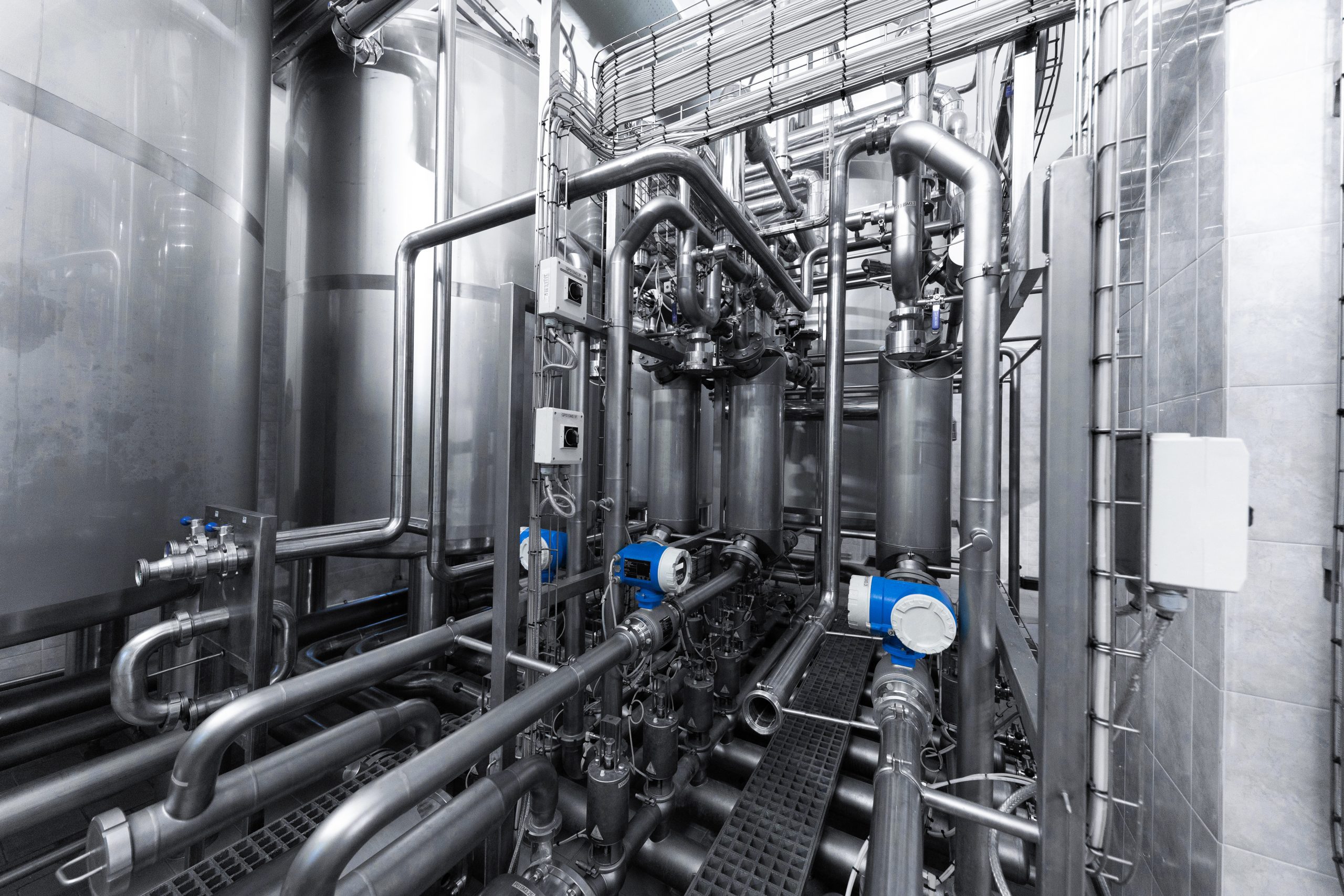
Industrial boilers are the backbone of many manufacturing and commercial facilities in Malaysia, providing heat for processes, hot water, and steam generation. Proper boiler selection, operation, and maintenance are essential to ensure efficiency, safety, and long-term reliability. This guide offers technical insights for engineers, facility managers, and operators to help them make informed decisions and optimise their boiler systems.
Understanding Boiler Types and Applications
Boilers come in various types, each suited to specific industrial needs. Common types used in Malaysia include:
- Hot water boilers – circulate heated water for space heating or process applications.
- Steam boilers – generate high-pressure steam for industrial processes.
- Thermal oil boilers – use oil as a heat transfer medium for high-temperature applications.
- Electric boilers – heat water or generate steam using electricity rather thauel.
Choosing the right boiler type depends on required temperature, pressure, operational continuity, and the specific process it supports. Matching the boiler to the application ensures efficiency, safety, and consistent performance.
Fuel Considerations and Combustion Efficiency
Fuel Considerations and Combustion Efficiency (Bullet Section)
The type of fuel used has a major impact on operational cost, efficiency, and maintenance. Malaysian facilities commonly use natural gas, LPG, diesel, or electricity, and each requires specific boiler and burner configuration for optimal performance.
Key considerations for fuel efficiency include:
- Selecting a boiler compatible with the available fuel type.
- Maintaining consistent fuel pressure and quality to ensure stable combustion.
- Using burners with air-fuel ratio control for complete combustion.
- Regularly inspecting and cleaning burners and heat exchange surfaces to maintain efficiency.
Optimising fuel use reduces operating costs while minimising emissions and wear on the system.
Maintaining Burner Equipment
Incorrect boiler sizing is a common cause of inefficiency and higher costs. Oversized boilers cycle unnecessarily, wasting fuel and increasing component wear, while undersized boilers struggle to meet heat demand.
Best practices for sizing:
- Conduct a comprehensive heat load analysis to determine energy requirements.
- Account for peak and low-demand periods in the production process.
- Consider boilers with modulation or turndown capability for variable demand.
Accurate sizing ensures energy-efficient operation and reliable heating throughout all operating conditions.
Safety Systems and Operational Control
Boilers operate under high temperature and pressure, making safety systems essential. Implementing proper safety measures not only protects personnel but also prevents fuel waste and equipment damage.
| Safety Component | Purpose |
| Flame detection sensors | Detect flame failure to prevent fuel leakage |
| Pressure relief valves | Prevent dangerous overpressure situations |
| Automatic shutdown systems | Stop operation during unsafe conditions |
| Control interlocks | Ensure safe startup and shutdown sequences |
Ensuring your boiler meets Malaysian regulatory standards and incorporates these systems is critical for safe, reliable operation.
Leveraging Smart Monitoring for Boiler Efficiency
Modern industrial boilers can significantly benefit from smart monitoring systems. Sensors and digital controls allow facility managers to track temperature, pressure, and fuel consumption in real-time. This data enables early detection of inefficiencies, irregularities, or potential failures before they become costly problems.
Integrating controls and automated alerts can:
- Optimise fuel usage based on actual demand rather than fixed schedules.
- Identify abnormal fluctuations in temperature or pressure that may indicate maintenance needs.
- Provide insights for predictive maintenance, reducing downtime and prolonging equipment life.
By embracing smart monitoring, facilities can achieve more precise control over operations, cut fuel costs, and maintain consistent heating performance without manual guesswork.
Training and Workforce Readiness
Even the most advanced boiler system cannot reach its full potential without trained personnel. Operational efficiency, safety, and longevity rely on staff who understand system dynamics, proper startup/shutdown procedures, and routine troubleshooting.
Key components of effective workforce readiness include:
- Hands-on training on combustion control, heat distribution, and safety protocols.
- Understanding emergency procedures to prevent accidents or unnecessary fuel waste.
- Routine performance review sessions to interpret data from monitoring systems and adjust operations.
- Continuous professional development to stay up-to-date with new technologies and regulations.
Investing in staff knowledge ensures that boilers are not only well-maintained but also operated efficiently, maximising reliability and reducing operational costs.
Conclusion
Ensuring efficient and reliable boiler operation in Malaysian facilities requires careful planning, proper maintenance, and effective system management. Paying attention to boiler type, fuel selection, and operational practices helps maintain consistent heating, reduce energy waste, and prevent unexpected downtime.
Partnering with a knowledgeable supplier like Unimech provides access to high-quality industrial boiler in Malaysia and expert guidance tailored to local conditions. Their solutions support safe, reliable, and energy-efficient operations, helping facilities optimise performance while meeting the specific demands of Malaysian manufacturing and commercial environments.
Disclaimer
We hope you find this article helpful and informative. The content provided here is for general informational purposes only and should not be taken as professional advice, nor does it necessarily reflect the full range of services offered by Unimech International Sdn. Bhd.
For tailored solutions, please consult with a qualified professional or contact us directly. While we make every effort to ensure accuracy and completeness, Unimech International Sdn. Bhd. makes no guarantees and accepts no liability for errors or omissions.